

The Eisenhower Matrix: Sorting Urgent from Important
Learn how this decision-making framework helps you distinguish between tasks that demand immediate attention and those that create real value for your long-term goals.
Read ArticlePractical tactics for reducing unnecessary meetings, setting realistic availability windows, and reclaiming your calendar in a culture of constant connectivity.
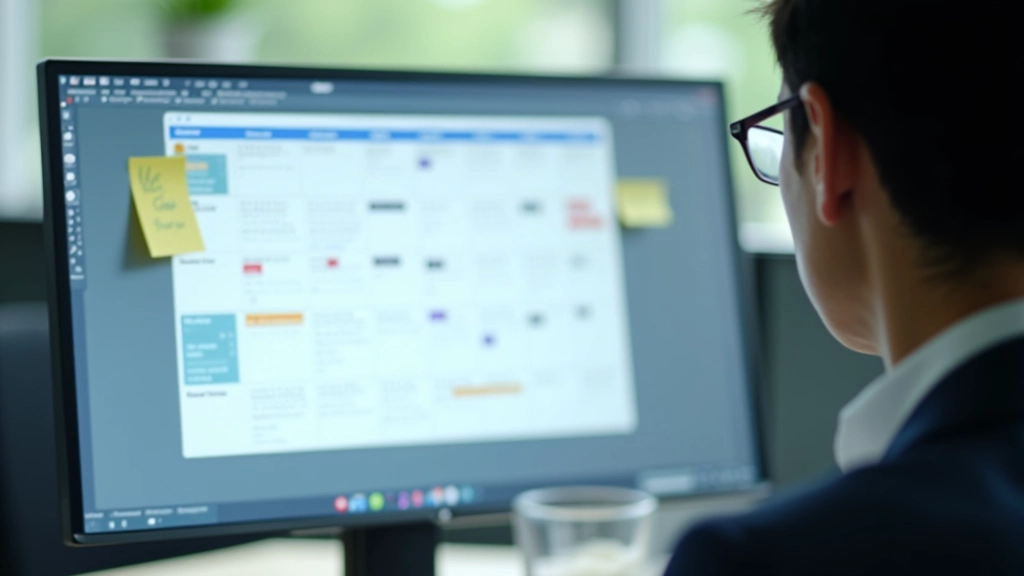

Meeting fatigue is real. You’re not imagining it. In Hong Kong’s high-pressure work environment, back-to-back meetings have become the default rather than the exception. Most professionals find themselves with calendars so packed that they can’t actually do the work they’re supposed to be doing in those meetings.
The problem isn’t that meetings are inherently bad — they’re necessary for collaboration. But when you’ve got seven consecutive video calls before lunch, something’s broken. You’re spending your entire day context-switching, and by 3 PM you’re mentally exhausted despite not having completed a single meaningful task. That’s not productivity. That’s just exhaustion wearing a professional mask.
Here’s what we know: when your calendar is completely booked, you lose all buffer time. No space to think. No room for the deep work that actually moves projects forward. Instead, you’re constantly reactive — jumping from one meeting to the next, never fully present in any of them.

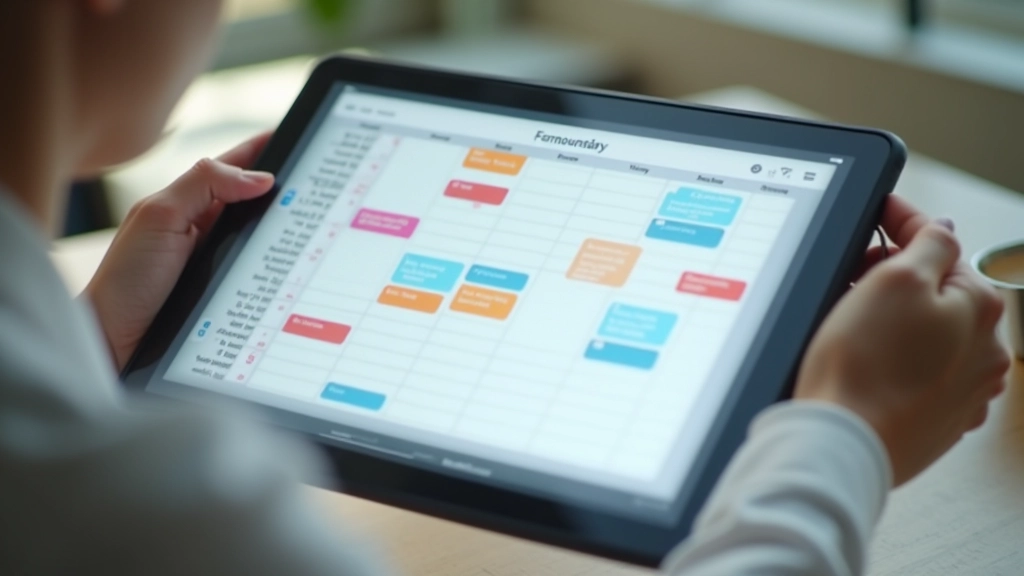
Before accepting any meeting request, schedule your deep work blocks. Don’t treat focus time as something that happens when meetings allow it — schedule it like it’s a non-negotiable client meeting. Most people find that blocking two to three hours in the morning works best. You’re fresher, more focused, and less likely to get pulled into reactive tasks. Set this on your calendar, mark it as busy, and stick to it.
One full day without meetings each week is transformative. Even one afternoon. You’ll be surprised how much gets accomplished when you’ve got four uninterrupted hours. Set clear expectations with your team about when you’re available for meetings. “I take Wednesdays for focused work” is perfectly reasonable. It’s not rude — it’s professional.
Stop being available for meetings all day long. Instead, offer specific times when people can book you — say, Tuesday and Thursday afternoons, 2-4 PM. This sounds restrictive but it’s actually liberating. You go from being reactive all day to having scheduled availability windows. Your team adapts quickly, and you’ll notice your focus time suddenly becomes protected.
This article provides educational information about time management strategies and meeting management approaches. The techniques described are general best practices and may need to be adapted to your specific organizational culture and requirements. Every workplace has different norms and expectations. What works in one environment might need adjustment in another. Consider your team’s needs and your organization’s communication requirements when implementing these strategies. If you’re in a role where constant availability is genuinely required, focus on the quality of your meetings rather than the quantity — that’s still progress.
You don’t need to overhaul your entire calendar system tomorrow. Start small. Pick ONE of the three tactics above. If you choose focus time blocking, schedule just two hours next week and protect it fiercely. No exceptions, no meetings, no quick calls that “won’t take long.” Those two hours become sacred.
After two weeks, assess what happened. Did you complete more meaningful work? Did you feel less exhausted? Then you can expand — maybe add another block, or introduce a meeting-free afternoon. The goal isn’t to eliminate all meetings (they’re necessary), but to create a sustainable rhythm where you’re not constantly reacting.
Hong Kong’s work culture moves fast. That’s reality. But you don’t have to sacrifice your effectiveness or your mental health to keep pace. The professionals who get the most done aren’t the ones in the most meetings — they’re the ones who’ve learned to be selective about which meetings actually matter. That’s the skill you’re building here.

Meeting fatigue doesn’t disappear overnight. But it does decrease when you stop accepting every meeting request and start protecting your time with intention. You’re not being difficult — you’re being strategic. The most valuable people in any organization are those who can actually deliver results, not those who attend the most meetings.
Try blocking focus time. Test meeting-free afternoons. Experiment with office hours. See what changes when you take back control of your calendar. Because here’s the truth: you already know what you need to do. You just need the space and time to actually do it.