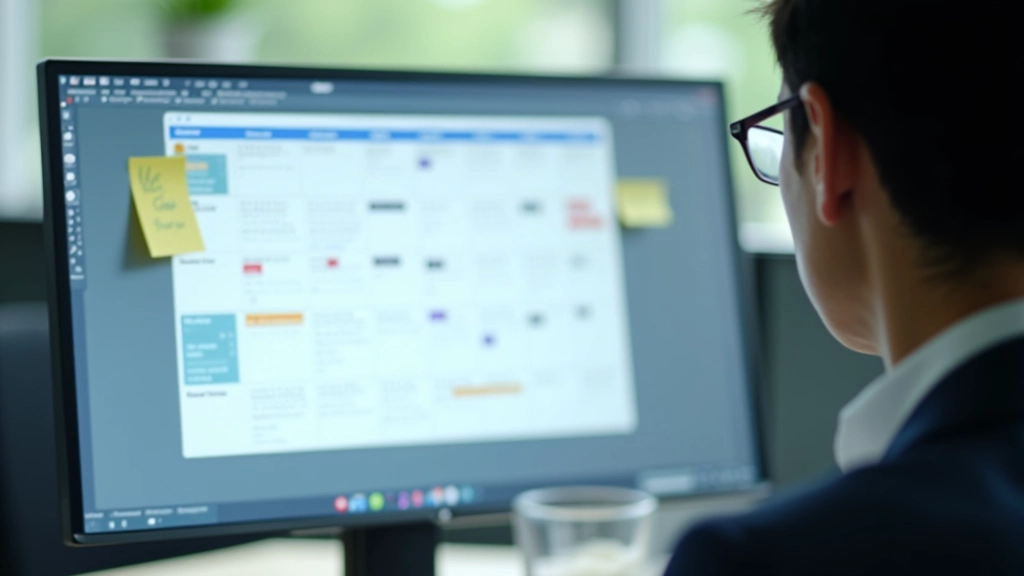


What Is Time-Blocking?
Time-blocking sounds simple because it is. You divide your day into distinct blocks of time, each dedicated to a specific task or type of work. Instead of jumping between emails, meetings, and projects, you’re committing to one thing for a set period.
Think of your calendar like a concert schedule. Every performer gets a specific time slot — they don’t improvise and perform whenever they feel like it. Your brain works the same way. When you protect a block for deep work, you’re telling your mind: “This is focused time. Everything else waits.”
The technique works because it removes decision fatigue. You’re not asking yourself “What should I do next?” every ten minutes. The block already decided that for you. It’s especially powerful in Hong Kong’s fast-paced environment where interruptions are constant and expectations run high.

Building Your First Time Blocks
Start by identifying what actually needs deep focus in your work. Not every task requires uninterrupted concentration. Routine emails? No. Strategic planning? Yes. Creating a presentation? Definitely. Responding to messages? It can wait.
Here’s the structure that works for most people: Claim 2-3 blocks per week initially. That’s it. Don’t try to block every hour on day one — you’ll abandon the system by Wednesday. Pick your most important work. For many Hong Kong professionals, that’s either first thing in the morning (before meetings pile up) or mid-afternoon (after lunch energy dip).
Each block should be 60-90 minutes. This matches how long most people can sustain deep concentration. Shorter blocks feel rushed. Longer blocks? Your attention naturally drops around the 90-minute mark.

Note: This article provides educational information about time management techniques. Everyone’s work environment is different. Adapt these strategies to fit your specific role, team dynamics, and organizational culture. What works for one person may need adjustment for another.
Making It Visible Without Looking Unavailable
Here’s the biggest concern people raise: “Won’t blocking my calendar make me look unavailable?” The answer is no — if you frame it correctly. You’re not hiding. You’re being strategic.
Block the time in your calendar, but label it clearly. Don’t call it “Do Not Disturb” or “Private Time” — those sound exclusionary. Instead, use descriptive labels: “Deep Work — Strategic Planning,” “Client Presentation Prep,” or “Project Analysis.” When someone sees that, they understand you’re working on something important, not being difficult.
Set your status during blocks. Most platforms let you set automatic status messages. “In focused work until 3 PM — reaching out if urgent” tells colleagues you’re working, not unavailable. They’ll respect that. You’ll also be amazed how few things are actually urgent.

Common Obstacles and How to Handle Them
Your first blocked session won’t be perfect. Interruptions happen. Slack messages pile up. Someone books a meeting directly over your block. This is normal. The system isn’t failing — you’re learning what your workplace actually requires.
When interruptions happen, notice the pattern. Are they at specific times? Do certain people tend to interrupt? Is it one project that constantly demands attention? Once you see the pattern, you can plan around it. Maybe your deep work block needs to be earlier. Maybe you need a 15-minute buffer after it for catch-up conversations.
The key is persistence. Week two will be easier than week one. By week four, people will know your blocks are real and adjust their behavior. You’re not being unreasonable — you’re being predictable, and that’s actually better for team coordination.

The Real Benefit: What You Actually Accomplish
The honest reason to use time-blocking isn’t about feeling productive. It’s about actually finishing things. In an average workday with constant interruptions, you might produce an outline. With a protected 90-minute block? You’ll complete the entire first draft. You’ll finish the analysis. You’ll solve the problem that’s been sitting there for two weeks.
This matters in Hong Kong’s competitive environment. Your colleagues who master focus while everyone else jumps between tasks will move ahead. Not because they’re smarter — because they actually finish projects. They produce quality work. And yes, they often finish earlier than expected, which gives them the flexibility to handle emergencies when they truly arise.
Start small. Two blocks next week. See what happens. You’ll either feel the difference immediately, or you’ll learn something about your work that explains why deep focus seems impossible. Either way, you’re moving in the right direction.